
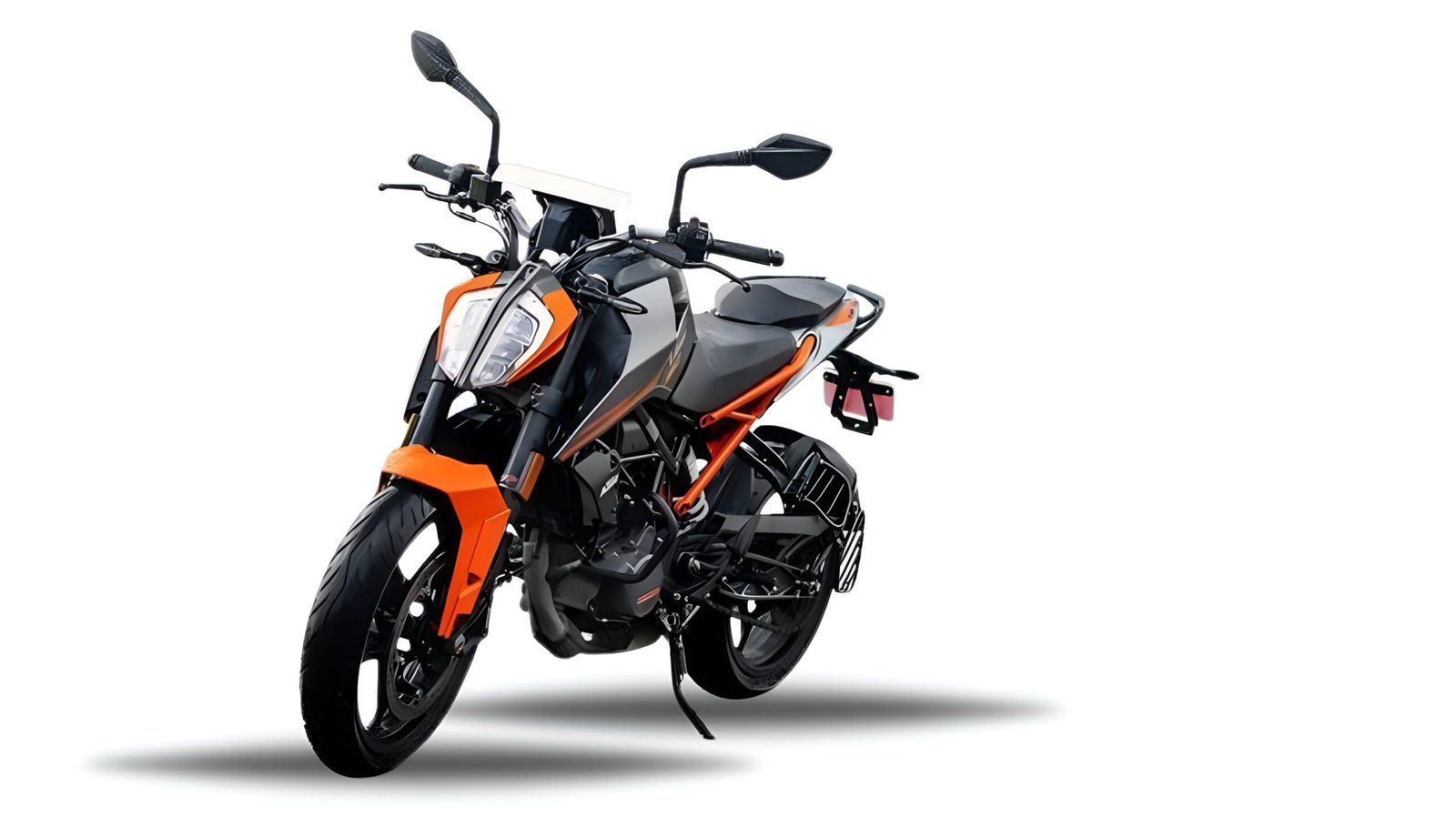
Our KTM 160 Duke review starts with a simple fact: this is currently the most powerful motorcycle in its entire segment. KTM built the 160 Duke to pull college-going and first-time riders away from the long-reigning Yamaha MT-15, and after digging through expert test rides, real owner feedback, and official specifications, we can say KTM has largely succeeded — with a few honest compromises along the way.
The 160 Duke shares its DNA with the bigger KTM 200 Duke, right down to sharing its overall look, its trellis frame, and even the switchgear from the 390 Duke. It’s available in two versions — a base variant with an LCD console, and a higher-spec variant with a 5-inch TFT display — priced around Rs 1.83–1.91 lakh (ex-showroom, based on the most recently updated listings). Let’s get into what it’s actually like to own and ride.
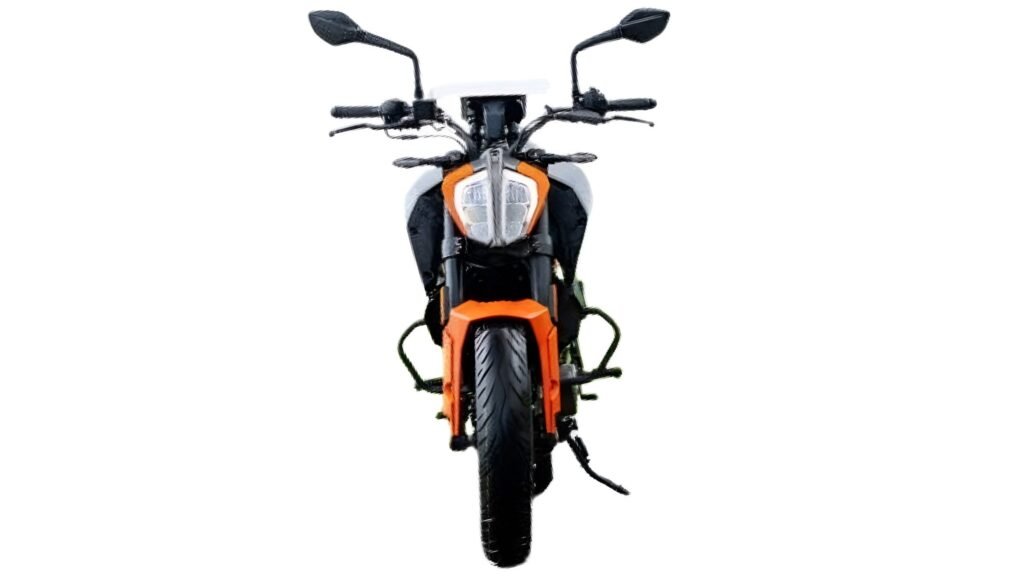
Key Highlights
- KTM’s 164.2cc liquid-cooled engine makes 19 PS at 9,500rpm and 15.5 Nm at 7,500rpm — the most power in the 150–160cc liquid-cooled streetfighter segment.
- It’s a re-bored version of the KTM 200 Duke’s engine, and directly outguns its main rival, the Yamaha MT-15, by about 0.6 PS and 1.4 Nm.
- Real owners consistently praise its handling, styling, and engagement factor — several reviewers specifically call out how much fun it is to lean into corners.
- Expert reviewers flag two consistent weak points: the stock MRF Zapper tyres don’t inspire much confidence, and the front brake lacks strong initial bite.
- ARAI-claimed mileage is 36.5 kmpl, and real owner-reported figures land in a similar 30–41 kmpl range depending on riding style.
- A 5-inch TFT console variant was added in December 2025, priced roughly Rs 9,000–13,000 above the standard LCD version.
- Pricing across sources shows some disagreement — we’ve flagged this honestly below rather than picking one number and hoping it’s right.
KTM 160 Duke Price: A Quick Note on Conflicting Numbers
Before anything else, let’s address something we noticed while researching this review: KTM’s own official website and third-party listing sites don’t fully agree on the price. KTM India’s site currently shows a starting price of Rs 1,70,545 (ex-showroom, Delhi), while both BikeWale and BikeDekho — which appear more recently updated — show the base variant at around Rs 1,83,579–1,83,655, and the TFT variant at Rs 1,91,316–1,91,390.Our
Our honest read: the bike has likely gone through at least one price revision since its August 2025 launch that hasn’t yet been reflected on KTM’s own configurator page. We’d suggest treating the Rs 1.83–1.91 lakh range as the more current figure, but always confirm the exact number with your local KTM dealer before booking, since even the trusted sources here don’t perfectly agree.
KTM 160 Duke Price
| Variant | Ex-Showroom Price (most recent) | On-Road Price (Delhi, approx.) |
| 160 Duke (LCD) | Rs 1,83,579–1,83,655 | Rs 2,10,125 |
| 160 Duke (TFT) | Rs 1,91,316–1,91,390 | Rs 2,18,609 |
Design: Does It Really Look Like a Bigger Duke?
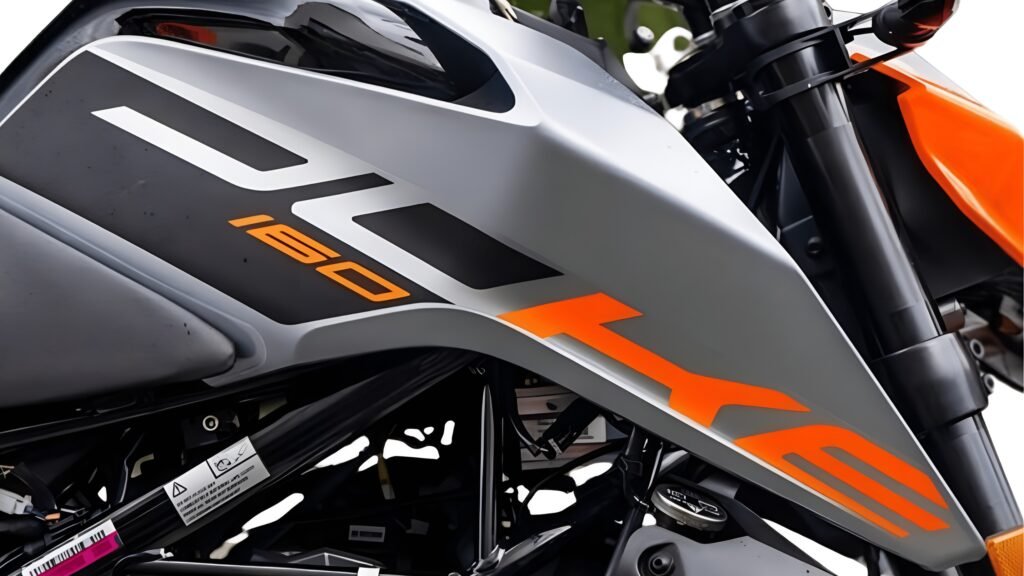
This is one area where every source we checked genuinely agrees: KTM made a smart call here. Instead of using the newer, smaller-looking third-generation Duke design, the 160 Duke borrows its styling from the KTM 200 Duke — sharp headlight, aggressive tank extensions, and that unmistakable streetfighter stance. Reviewers who tested it noted this gives the bike a “proper big bike feel” rather than looking like a scaled-down entry-level model.
Build quality also earns genuine praise — testers found no exposed wiring or uneven panels, and the switchgear is borrowed from the bigger 390 Duke, which feels noticeably more tactile than what you’d expect at this price. The bike comes in three colours: Electronic Orange (the boldest option), Silver Metallic Matt (the subtlest), and Atlantic Blue, which most reviewers considered the best middle ground between the two.
Engine and Performance: What the Numbers Actually Feel Like
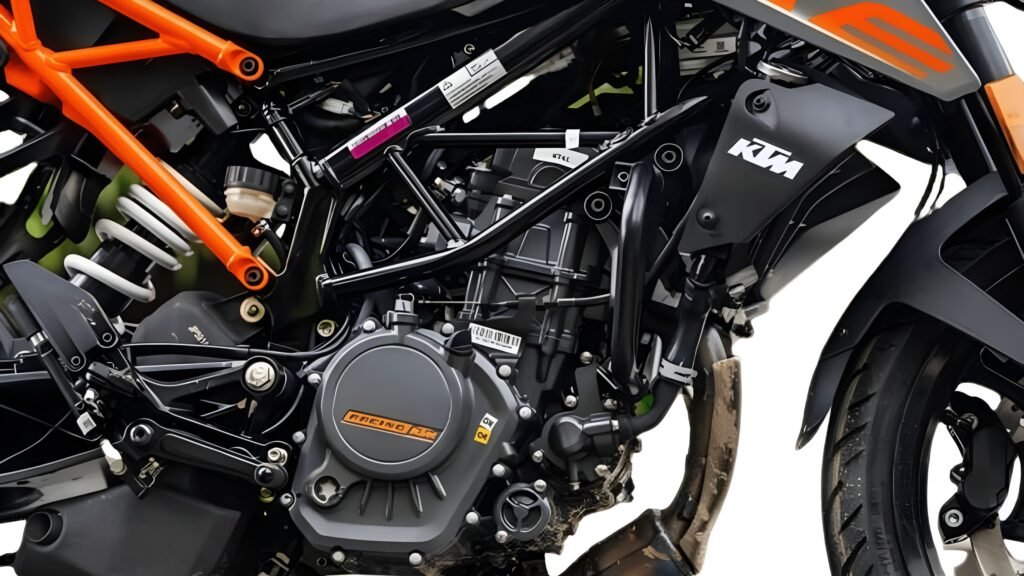
The KTM 160 Duke’s 164.2cc engine is essentially a re-bored version of the 200 Duke’s motor, and it captures that same rev-happy KTM character. On paper, it makes 19 PS at 9,500rpm and 15.5 Nm of torque at 7,500rpm — enough to make it the most powerful bike in its direct segment.
In real-world testing, reviewers noted the engine doesn’t have much low-end punch and can feel a little lazy below 4,000rpm. But once you get it spinning past that mark, the torque comes alive quickly, and the bike genuinely rewards riders who like revving it out. There’s a light buzz at the footpegs past 7,000rpm, but most testers described it as adding character rather than being annoying. On the highway, it handles 80 km/h cruising comfortably without feeling stressed, though it’s clearly tuned more for city commuting and spirited riding than long, flat-out highway stints.
KTM 160 Duke Engine
| Detail | Information |
| Engine Type | 164.2cc, liquid-cooled, single-cylinder, SOHC |
| Power | 19 PS @ 9,500 rpm |
| Torque | 15.5 Nm @ 7,500 rpm |
| Gearbox | 6-speed |
| Clutch | Assist and slipper |
| Bore x Stroke | 66mm x 48mm |
| Compression Ratio | 11.97:1 |
| Emission Standard | BS6 Phase 2B |
Handling: Where the 160 Duke Genuinely Shines
If there’s one thing every single review agrees on, it’s this: the 160 Duke handles beautifully. KTM used lighter wheels borrowed from the 250 and 390 Duke, added hollow axles, and sharpened the rake angle by 0.5 degrees compared to the 200 Duke. The result is a bike that tips into corners with very little effort and feels genuinely light on its feet, both when parked and moving.
This nimbleness is also exactly why real owners keep bringing it up unprompted in their reviews — several describe the specific joy of leaning it into a tight corner or a hairpin turn, calling it one of the most engaging parts of owning the bike. It’s a strong pick for beginners specifically because that confidence-inspiring handling makes learning to corner properly much less intimidating.
Tyres and Brakes: The Two Weak Spots
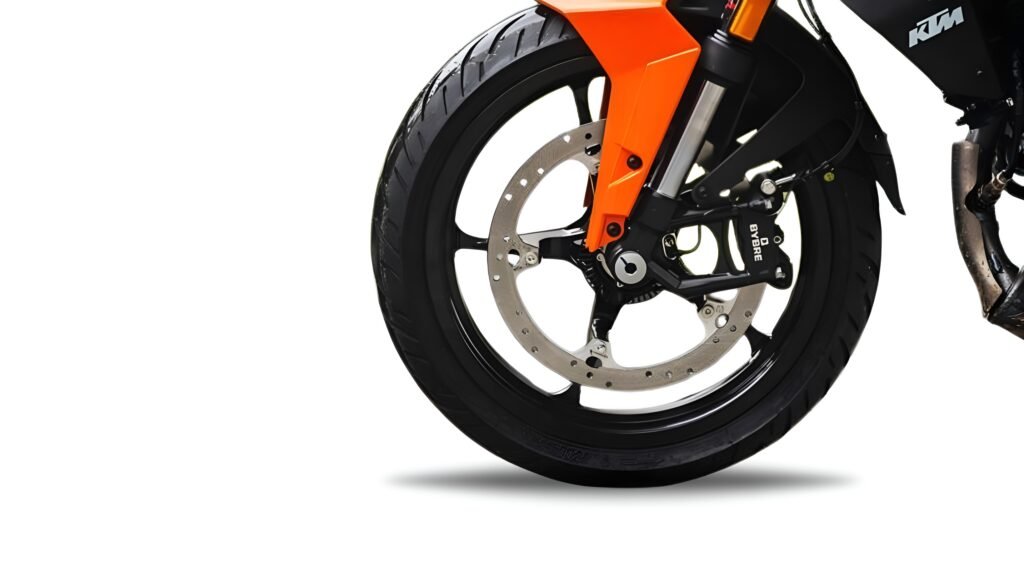
Here’s where we need to be honest, because both major expert reviews we found flagged the same two issues independently.
The tyres: The KTM 160 Duke comes with MRF Zapper tyres as standard, and reviewers who tested the bike in wet conditions specifically noted they don’t inspire much confidence. One reviewer, testing the bike in heavy Mumbai rain, said the tyres genuinely held the bike back from being enjoyed to its full potential, and recommended upgrading them as a first modification if you buy one.
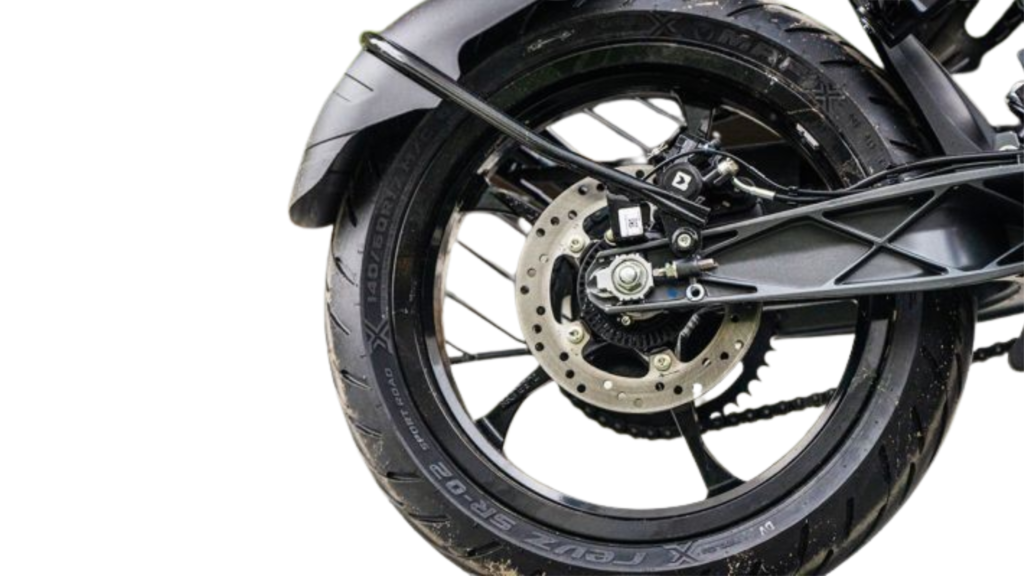
The brakes: Braking performance is the other recurring weak point. The front brake, despite a large 320mm disc, lacks strong initial bite according to testers — the stopping power is there, but the confidence-inspiring feel isn’t quite what you’d hope for at higher speeds. The rear brake fares worse in owner feedback, with several describing it as offering very little feel or stopping power. One expert reviewer specifically suggested swapping the stock organic brake pads for sintered or ceramic ones as a worthwhile upgrade.
Features: LCD vs TFT
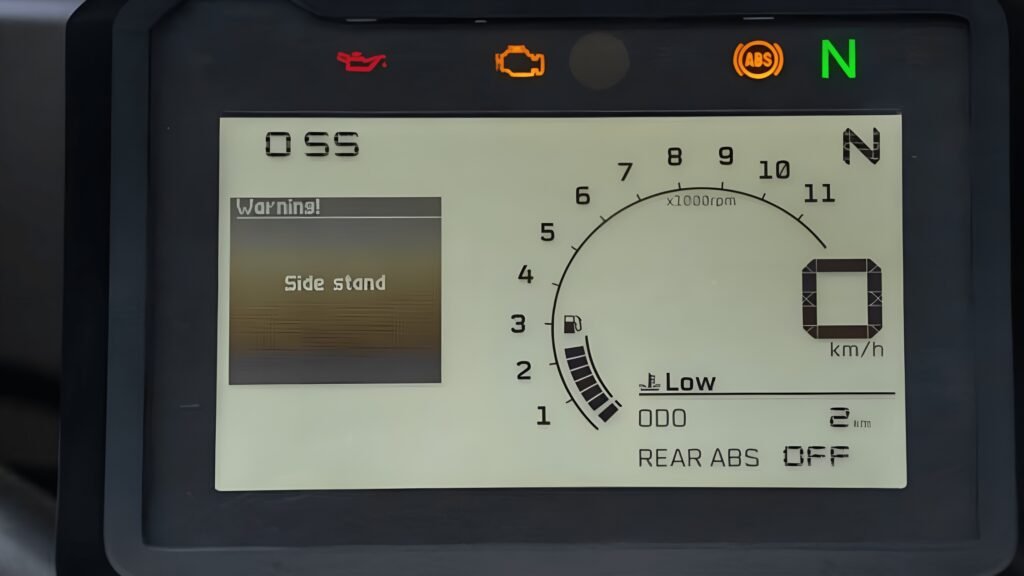
The base 160 Duke comes with a 5-inch LCD console, while the newer TFT variant, added in December 2025, gets a colour touchscreen-style display — both borrowed directly from the KTM 200 Duke. Both consoles offer speed, fuel level, time, odometer, and tachometer readings, along with smartphone connectivity for turn-by-turn navigation and call/SMS alerts.
Safety-wise, both variants get dual-channel ABS as standard, with a switchable rear ABS mode that KTM calls SuperMoto ABS — letting more experienced riders disable rear ABS for controlled slides. It’s a fun addition, though it’s aimed more at confident riders than daily practicality.
LCD vs TFT
| Feature | LCD Variant | TFT Variant |
| Display | 5-inch LCD | 5-inch TFT (colour) |
| Price Premium | Base price | Roughly Rs 9,000–13,000 more |
| Navigation | Turn-by-turn (via app) | Turn-by-turn (via app) |
| Bluetooth | Yes | Yes |
| ABS | Dual-channel, switchable rear | Dual-channel, switchable rear |
Mileage: Claimed vs Real
KTM’s ARAI-claimed figure for the 160 Duke is 36.5 kmpl, and KTM itself has also mentioned a 40 kmpl figure in some marketing material for the bike. Real owner-reported numbers we found ranged fairly widely — from around 30 kmpl in heavy city traffic up to 38–41 kmpl on the highway, with one owner reporting over 41 kmpl on a highway run with a pillion. As always with mileage, expect the real number to land somewhat below the claimed figure, and to vary noticeably based on how hard you ride it.
What Real Owners Are Saying
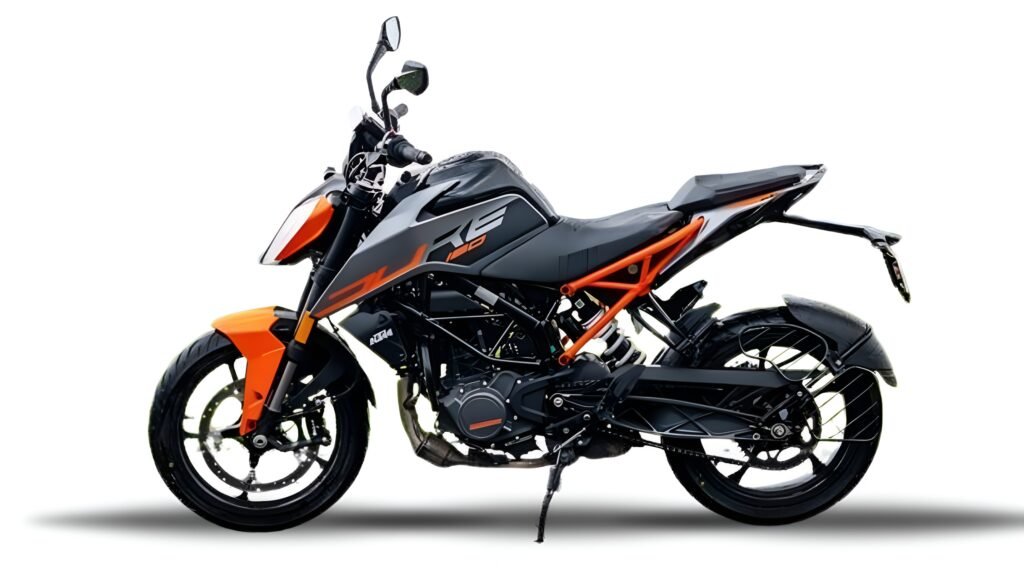
We looked through a genuinely large number of verified owner reviews across two major platforms, and a clear, consistent picture emerged. The overwhelming theme is engagement and fun — owners repeatedly describe the bike as something that makes ordinary commutes feel exciting, with several specifically mentioning how the bike “teaches” them to become better riders through its sharp handling feedback.
The recurring criticisms are smaller but consistent: a firm ride that transmits more road texture than some might want, noticeable wind blast at highway speeds (unsurprising for a naked streetfighter), and a small, less comfortable pillion seat for longer two-up rides. One owner also reported a manufacturing defect with the fuel gauge not displaying readings from day one — worth keeping in mind to thoroughly check your bike’s electronics at delivery.
Overall satisfaction appears high — average ratings across both platforms sit around 4.7–4.8 out of 5, with the vast majority of reviews being clearly positive.
KTM 160 Duke Review: Our Honest Verdict
Pulling everything together, our KTM 160 Duke review conclusion is this: KTM has built a genuinely exciting, class-leading motorcycle for the price, but it’s not without real trade-offs. The engine is punchy and characterful once you’re above 4,000rpm, the handling is genuinely excellent and confidence-building for newer riders, and the styling successfully makes it feel like a bigger, more premium bike than its displacement suggests.
But the tyres and brakes are real, recurring weak points flagged independently by multiple expert testers — not one-off complaints. If you’re planning to buy one, budgeting for a tyre and brake pad upgrade down the line is a sensible, honest recommendation rather than a scare tactic. The bike also doesn’t offer much low-end grunt, so if you’re someone who prefers relaxed, low-rev riding over revving out an engine, this may not be the ideal match for your style.
KTM 160 Duke vs Yamaha MT-15
The 160 Duke’s only genuine direct rival in the 150–160cc liquid-cooled streetfighter space is the Yamaha MT-15 V2. Here’s how they stack up on the numbers that matter most:
| Specification | KTM 160 Duke | Yamaha MT-15 V2 |
| Price (approx.) | Rs 1.83–1.91 lakh | Rs 1.64–1.65 lakh |
| Engine | 164.2cc | 155cc |
| Power | 19 PS @ 9,500 rpm | 18.4 PS @ 10,000 rpm |
| Torque | 15.5 Nm @ 7,500 rpm | 14.1–14.2 Nm @ 7,500 rpm |
| Mileage (claimed) | 36.5 kmpl | 45 kmpl |
| Kerb Weight | 147 kg | 137–141 kg |
The KTM wins clearly on outright power and torque, matching its “most powerful in class” claim. The Yamaha counters with a lighter kerb weight and noticeably better claimed mileage, along with Yamaha’s own strong reliability reputation. If raw excitement and handling sharpness matter more to you, the KTM has the edge; if efficiency and a slightly lower price matter more, the MT-15 remains a strong alternative.
Who Should Buy the KTM 160 Duke?
- College students and first-time buyers: This is genuinely who KTM built the bike for, and the confidence-inspiring handling makes it a strong beginner-friendly pick despite its sporty character.
- Riders who love spirited, corner-carving riding: If you enjoy leaning into corners and revving an engine out, this bike will reward you more than most in its price range.
- Daily city commuters: The engine and handling suit stop-start traffic and tight city roads well, though the firm ride may feel less forgiving on badly broken roads.
- Riders planning highway touring: Consider this carefully — the wind blast and firm ride mean it’s better suited to short-to-medium highway stretches than long-distance touring.
- Riders who want a fuss-free bike straight out of the showroom: Budget in mind for a tyre upgrade if you want to get the most out of the bike’s handling potential.
1. What is the price of the KTM 160 Duke?
Based on the most recently updated listings, the base LCD variant costs around Rs 1.83–1.84 lakh, and the TFT variant costs around Rs 1.91 lakh (both ex-showroom). Note that KTM’s own official website currently shows a lower, likely outdated figure — always confirm the current price with your local dealer.
2. Is the KTM 160 Duke more powerful than the Yamaha MT-15?
Yes. The KTM 160 Duke makes 19 PS and 15.5 Nm, compared to the Yamaha MT-15 V2’s 18.4 PS and 14.1–14.2 Nm, making the KTM the more powerful of the two.
3. What is the mileage of the KTM 160 Duke?
The ARAI-claimed mileage is 36.5 kmpl. Real owner-reported figures range from around 30 kmpl in heavy city traffic to 38–41 kmpl on the highway.
4. What are the biggest complaints about the KTM 160 Duke?
The two most consistently flagged issues by both expert reviewers and owners are the stock MRF Zapper tyres, which don’t inspire much confidence, and the front and rear brakes, which lack strong initial bite and feel.
5. What’s the difference between the LCD and TFT variants?
The TFT variant adds a colour touchscreen-style display in place of the standard LCD console, at a premium of roughly Rs 9,000–13,000. Both variants offer the same smartphone connectivity, navigation, and dual-channel ABS.
6. Is the KTM 160 Duke a good bike for beginners?
Yes, according to both expert and owner reviews. Its light weight and confidence-inspiring handling make it a genuinely good platform for new riders to learn on, despite its sporty positioning.
7. Does the KTM 160 Duke have good pillion comfort?
It’s reasonable for city rides, with a fairly spacious and well-cushioned pillion seat, but several owners noted it becomes less comfortable on longer two-up journeys.
8. Is the KTM 160 Duke worth buying over the KTM 200 Duke?
It depends on your budget and needs. The 160 Duke is more affordable and shares much of the 200 Duke’s design and handling character, but the 200 Duke offers meaningfully more power for those willing to spend more.
Conclusion
Our overall KTM 160 Duke review verdict: this is a genuinely exciting, class-leading streetfighter that delivers real engagement and confidence-inspiring handling, backed up by consistently positive owner feedback. It’s not a flawless motorcycle — the stock tyres and brakes are honest, recurring weak points worth budgeting around — but for the price, it offers more power and more fun than anything else in its direct segment. If you’re a college student, a first-time buyer, or simply someone who wants a sporty, engaging daily commuter without spending KTM 200 Duke money, the 160 Duke earns its “most powerful in class” claim and backs it up with a ride that real owners genuinely seem to love.
Read This Alos
Upcoming Electric Scooters in India 2026: 4 New Models That Could Be Worth Waiting For
Best New Electric Scooters Under Rs 1 Lakh in India (2026): Full Comparison