
Introduction
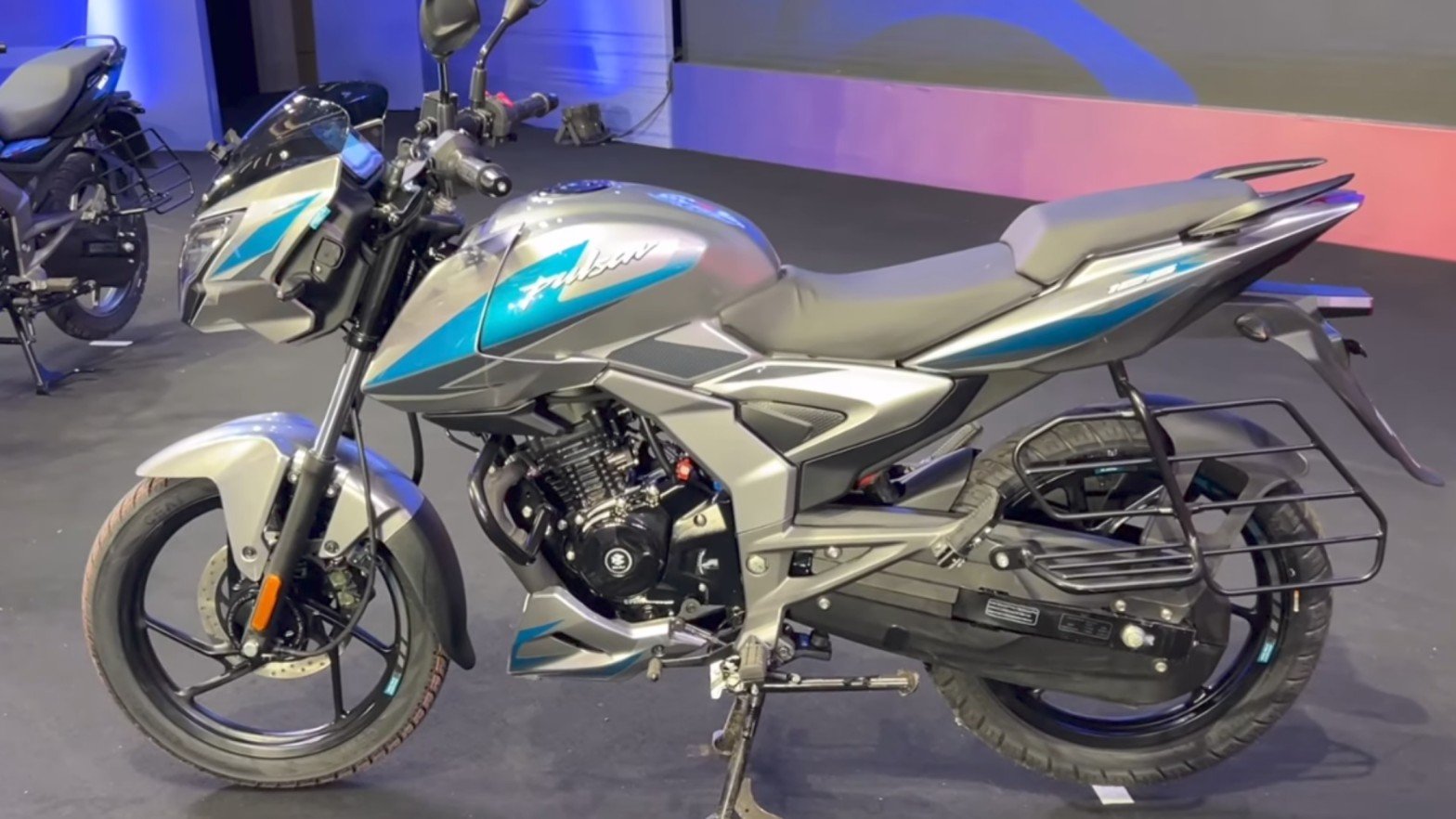
Bajaj has officially launched the new-generation Pulsar 125 and Pulsar 150, and this is genuinely one of the biggest updates these two motorcycles have received in years. The Pulsar 125 starts at Rs 92,990, while the Pulsar 150 starts at Rs 1,15,233 (both ex-showroom) — and for that money, Bajaj has packed in technology that’s genuinely unusual to see on bikes this affordable, including ride modes, a feature Bajaj calls Crawl Tech, and a 5-inch TFT display with Google Maps navigation on higher variants.
This launch also carries some extra meaning — it arrives as part of Bajaj’s Pulsar 25th anniversary celebrations, marking a quarter-century since the nameplate first launched in India. Here’s everything confirmed about what’s new, what it costs, and which variant makes sense for you.
Key Highlights
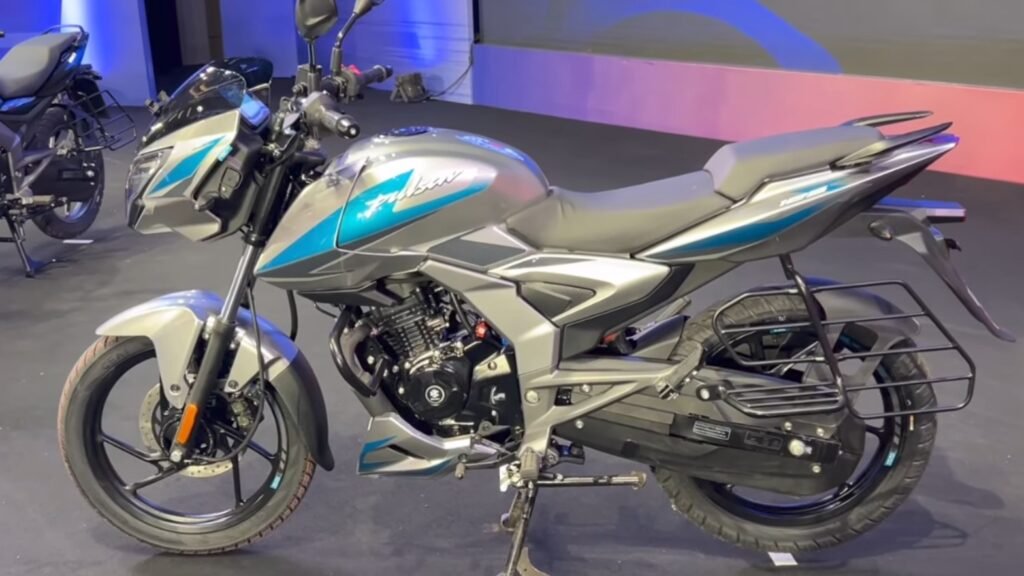
- The Pulsar 125 starts at Rs 92,990 and goes up to Rs 1,04,318 for the top TFT variant, across 4 variants.
- The Pulsar 150 starts at Rs 1,15,233 and goes up to Rs 1,23,187, across 3 variants.
- Both motorcycles get all-new engines: the Pulsar 125 now makes 12 PS and 11.4 Nm, while the Pulsar 150 makes 14 PS and around 14 Nm.
- They switch to a new diamond-type frame, where the engine itself acts as a stressed member, replacing the older double-cradle chassis design.
- Both get a rear monoshock, replacing the old twin-shock setup, and a revised 5-speed gearbox tuned for better low-speed rideability.
- Bajaj has introduced Crawl Tech — claimed as a first for the 125cc and 150cc segment — which lets the bike move at low speed in traffic without needing any throttle input.
- Higher variants get an Integrated Starter Generator (ISG), enabling silent auto start-stop functionality to improve fuel economy.
- Top variants also get a 5-inch TFT display with Google Maps integration, screen mirroring for both Android and iOS, and the ability to store digital copies of your RC and insurance documents.
- Bajaj claims the new Pulsar 125 is now the most powerful 125cc motorcycle on the market.
Table of Contents
Price and Variants: Full Breakdown
Both motorcycles come in a genuinely wide spread of variants, letting buyers pick exactly the combination of features and price they want.
Bajaj Pulsar 125 — Variant-Wise Pricing
| Variant | Ex-Showroom Price |
|---|---|
| Base | Rs 92,990 |
| STD Single Seat | Rs 99,291 |
| STD Split Seat | Rs 1,00,288 |
| Premium Split Seat (TFT) | Rs 1,04,318 |
Bajaj Pulsar 150 — Variant-Wise Pricing
| Variant | Ex-Showroom Price |
|---|---|
| Single Disc | Rs 1,15,233 |
| Twin Disc, Single Seat | Rs 1,22,184 |
| Twin Disc, Split Seat | Rs 1,23,187 |
These are ex-showroom prices, so your on-road cost will be higher once registration and insurance are added, and this will vary by city. As always, confirm the exact current price with your local Bajaj dealer before booking.
New Engines: What’s Actually Changed
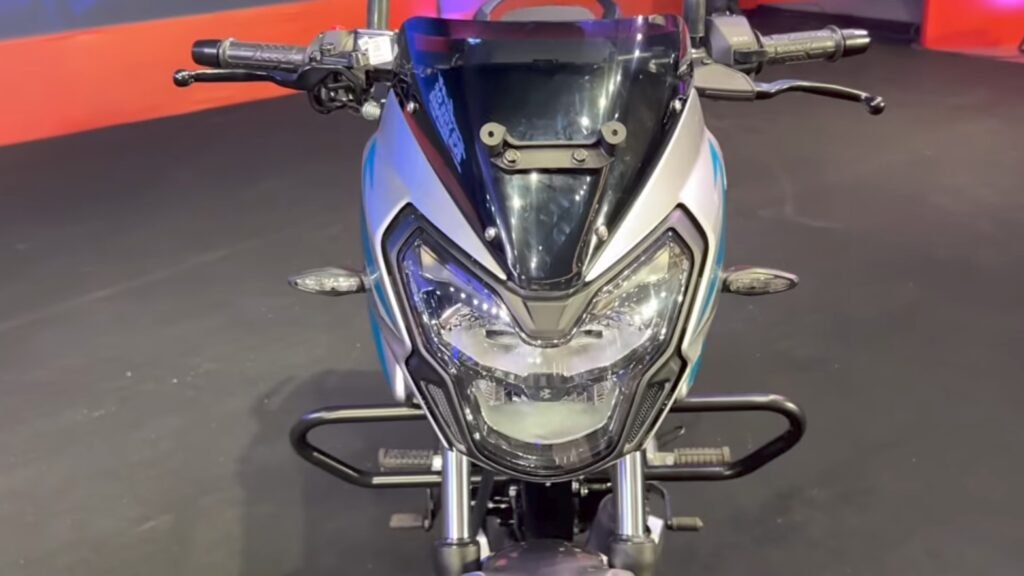
Both motorcycles now run completely new engines, not just updated versions of the old ones. The Pulsar 125 uses a 124.58cc, air/oil-cooled engine, now producing 12.1 hp at 8,500 rpm and 11.4 Nm of torque at 6,500 rpm — a gain of 0.3 hp and 0.6 Nm over the outgoing model. Bajaj is confidently calling this the most powerful 125cc motorcycle currently on the market, a title that was previously held by Bajaj’s own, now-discontinued Pulsar N125.
The Pulsar 150 uses a 149.5cc engine, producing 14 PS and approximately 14 Nm of torque — also a genuine step up from the outgoing bike. Both engines are paired with a revised 5-speed gearbox, specifically tuned to improve low-speed performance and everyday rideability, rather than just chasing higher top-end numbers.
Bajaj has also shared an interesting internal metric here: its own power-to-weight performance index has improved from 93 to 100 for the Pulsar 150, and from 81 to 93 for the Pulsar 125 — in simple terms, both bikes should feel noticeably peppier and more responsive relative to their weight than the models they replace.
Crawl Tech, Explained Simply
This is genuinely one of the more interesting additions here, and Bajaj is claiming it as a first for the 125cc and 150cc segment. In simple terms, Crawl Tech lets the motorcycle creep forward at low speed in traffic without you needing to touch the throttle at all — useful if you’ve ever found yourself constantly balancing clutch and throttle inputs while crawling through a traffic jam.
On the Pulsar 125, Crawl Tech maintains roughly 5 km/h in first gear, scaling up to as much as 25 km/h in fifth gear. On the Pulsar 150, it starts a bit stronger, at around 10 km/h in first gear, going up to 30 km/h in fifth, all without any throttle input needed from the rider. For daily commuters who deal with heavy, slow-moving traffic, this is a genuinely practical feature, not just a marketing checkbox.
Read Also – Bajaj’s Upcoming 250cc Adventure Bike Spied Again: TFT Display, Dual-Sport Tyres & More
The New Frame and Suspension
Here’s an important correction worth making clearly: earlier pre-launch spy shots had led to speculation that these bikes would use a new single-downtube frame. Bajaj has now officially confirmed this isn’t quite right — both motorcycles actually use a new diamond-type frame, where the engine itself serves as a stressed member of the chassis, helping improve overall rigidity. This replaces the older double-cradle chassis design used on the outgoing models.
Paired with this new frame is a switch to a rear monoshock, replacing the old twin rear shock absorbers — a genuinely meaningful upgrade that should improve ride quality and handling, especially on rougher roads.
TFT Display and the ISG System
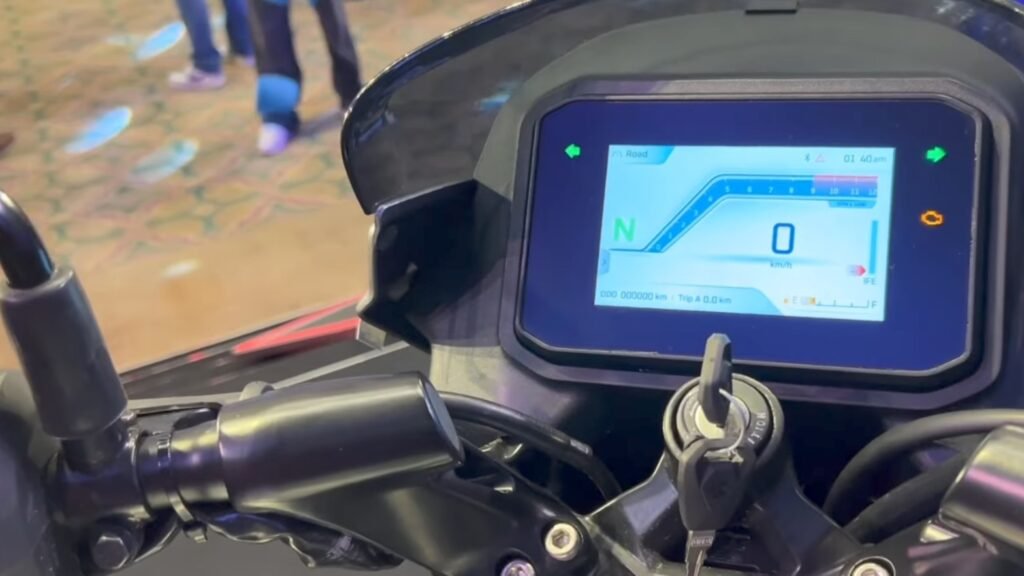
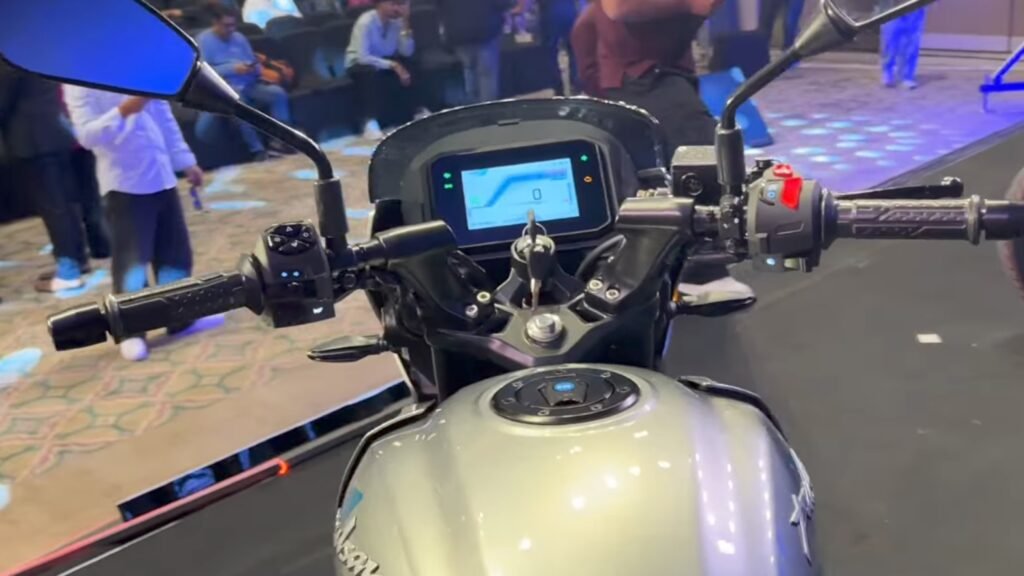
Higher variants of both bikes get a 5-inch colour TFT instrument display, and this isn’t a basic screen — it comes with Google Maps integration, letting you mirror navigation directly from your Android or iOS phone. It can also store digital copies of your registration certificate and insurance documents, a genuinely useful, practical touch for everyday riders who’d rather not carry physical paperwork.
The top three variants also get something called an Integrated Starter Generator (ISG). In simple terms, this system enables automatic engine start-stop, switching the engine off briefly when you’re stopped and restarting it instantly when you’re ready to move — and because of how the ISG works, this restart happens genuinely silently, without the usual whirring sound of a traditional starter motor. Bajaj says this helps improve real-world fuel economy in stop-and-go city riding.
Ride Modes: Road, Rain, and Sport
Both bikes now offer three selectable ride modes — Road, Rain, and Sport — available on select Pulsar 125 variants and across the entire Pulsar 150 range. It’s worth noting this is a genuinely unusual feature to see on motorcycles producing just 12-14 PS; multiple reviewers covering the launch pointed out that whether riders truly need three distinct riding modes at this modest performance level is a fair question. Still, it’s a feature that adds a sense of choice and modernity that buyers in this segment haven’t typically had access to before.
Read Also – TVS Apache RTR 160 4V Dual Channel ABS With USD Variant: Review
Part of a Bigger Bajaj Rollout
This launch isn’t happening in isolation. According to Bajaj’s own marketing leadership, this is the second phase of a planned six-week rollout, announced during the company’s Q1 FY27 analyst call, that’s expected to bring 10 new or updated motorcycle models to market ahead of the festive season. Of these 10 products, two are entirely new Pulsar models — with the rest being new variants and updates to existing bikes. Sumeet Narang, Bajaj Auto’s President of Marketing, described the Pulsar 125 and 150 as “the second launch in this journey,” following the recent launch of the Pulsar N160 S and N160 SS earlier this month.
FAQs
1. What is the price of the new Bajaj Pulsar 125?
It starts at Rs 92,990 for the base variant and goes up to Rs 1,04,318 for the top Premium Split Seat variant with the TFT display, both ex-showroom.
2. What is the price of the new Bajaj Pulsar 150?
It starts at Rs 1,15,233 for the Single Disc variant and goes up to Rs 1,23,187 for the Twin Disc Split Seat variant, both ex-showroom.
3. What is Crawl Tech on the new Pulsar 125 and 150?
It’s a feature that lets the motorcycle move at low speed in traffic without any throttle input, reducing fatigue during slow, stop-and-go city riding. It’s claimed as a first for this segment.
4. Does the new Pulsar 125 or 150 have a TFT display?
Yes, but only on the higher variants. It’s a 5-inch colour TFT display with Google Maps integration, smartphone screen mirroring, and the ability to store digital RC and insurance documents.
5. What frame do the new Pulsar 125 and 150 use?
Both use a new diamond-type frame, where the engine itself acts as a stressed member, replacing the older double-cradle chassis design.
6. How much power do the new engines make?
The Pulsar 125 makes 12.1 hp and 11.4 Nm, while the Pulsar 150 makes 14 PS and approximately 14 Nm — both genuine increases over the outgoing engines.
7. What is the ISG feature on the top variants?
ISG stands for Integrated Starter Generator, which enables a silent automatic start-stop system, switching the engine off briefly when stopped to help improve fuel economy.
8. Is this the same bike that was spied testing before the August 24 launch?
Yes, this is the official launch of the motorcycle that was spotted testing at dealerships and on public roads in the weeks leading up to its confirmed August 24 launch date.
Conclusion
Bajaj’s new Pulsar 125 and Pulsar 150 mark a genuinely significant update for two of India’s longest-running motorcycle nameplates, arriving fittingly as part of the Pulsar brand’s 25th anniversary celebrations. With new engines, a stronger diamond-type frame, a proper monoshock rear end, and genuinely useful tech like Crawl Tech and a Google Maps-enabled TFT display, Bajaj has packed a surprising amount of substance into bikes starting under Rs 1 lakh. At Rs 92,990 for the Pulsar 125 and Rs 1,15,233 for the Pulsar 150, both motorcycles look like strong, thoughtfully updated options in their respective segments — and with more launches still to come as part of Bajaj’s wider 10-model rollout, it’s worth keeping an eye on what else the company has planned before the festive season arrives.