Introduction
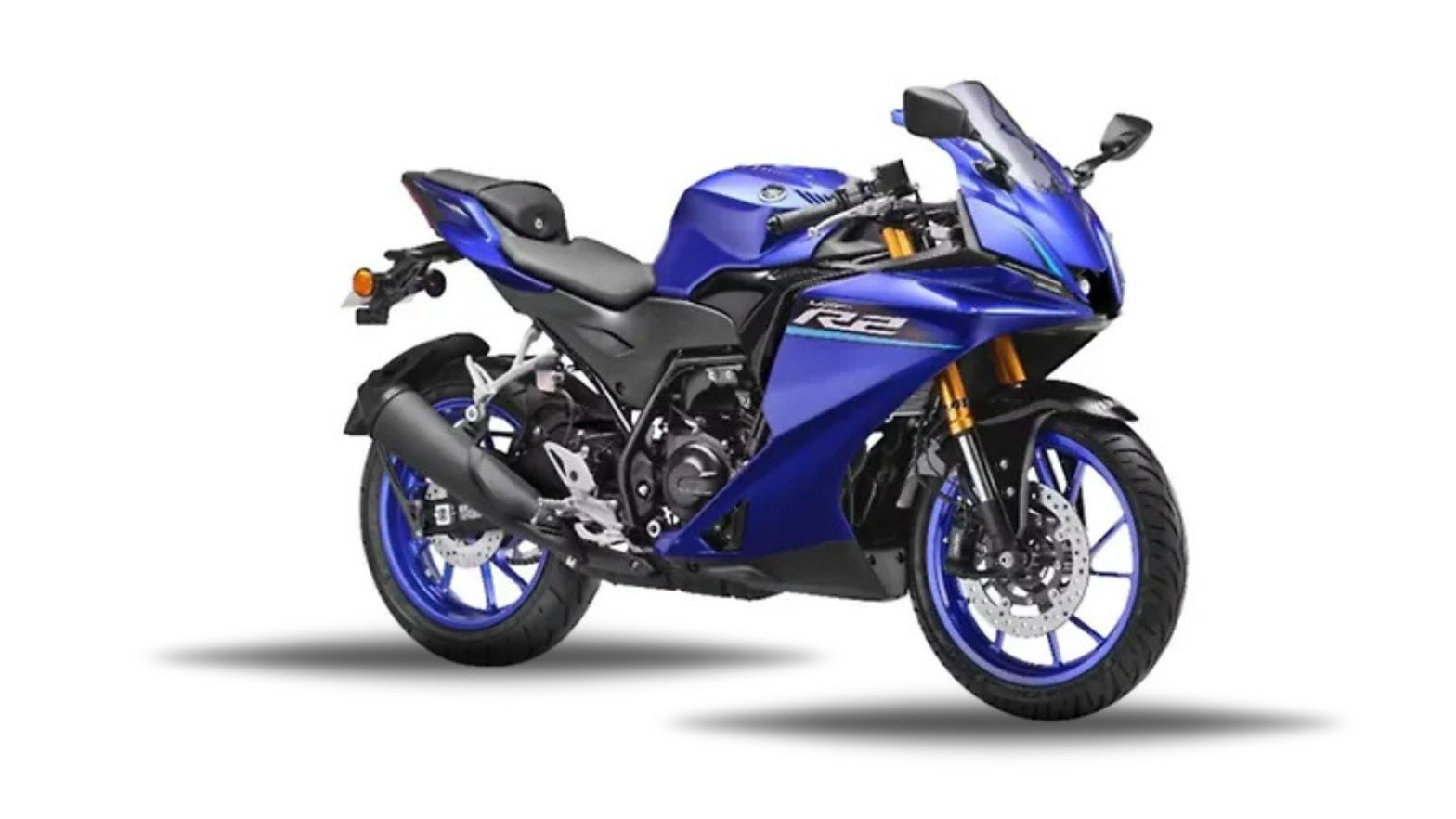
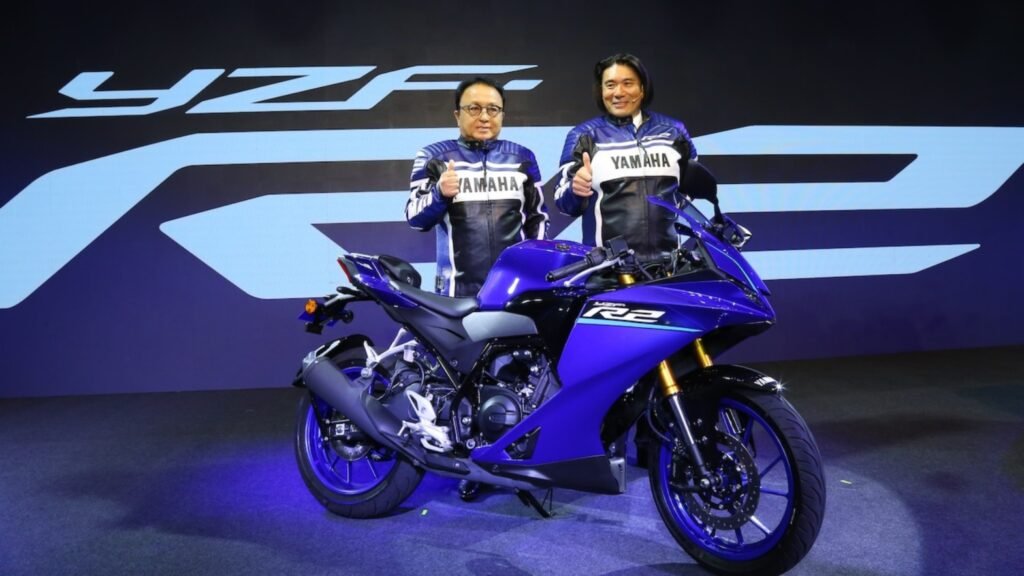
The wait is finally over. After months of teasers, a name nobody would officially confirm, and a booking window that had fans checking Yamaha’s website daily, the Yamaha R2 has landed in India — priced from Rs 2.30 lakh, ex-showroom. And here’s the thing worth knowing before you scroll through the spec sheet: this isn’t just a bigger R15 with a new sticker. Yamaha has genuinely built a new bike around it, right down to the frame.
If you’ve been saving up, comparing it to the KTM RC 200 in your head, or just wondering whether this makes the R15 pointless overnight, this article walks you through exactly what you’re getting, what’s actually changed, and which of the three variants makes sense for you.
Key Highlights
- The Yamaha R2 starts at Rs 2,30,500 (ex-showroom, Delhi), going up to Rs 2,53,000 for the top-spec R2 M variant.
- It runs a brand-new 204cc, liquid-cooled, single-cylinder engine, making around 26.1-26.5 bhp and 19.1-19.3 Nm — sources reported these figures very slightly differently, so we’ve given you the honest range rather than a single, falsely precise number.
- Unlike the R15’s Deltabox frame, the R2 uses an all-new diamond-type steel frame weighing just 14kg, helping the base variant hit a genuinely light 149kg kerb weight — making it the lightest bike in its class.
- The engine’s valves are coated with DLC (diamond-like carbon), a technology borrowed from Yamaha’s flagship YZF-R1 superbike.
- The middle variant gets a bi-directional quickshifter, which Yamaha is calling a segment-first feature.
- The R15 isn’t going anywhere — it continues to be sold alongside the R2, MT-15, and XSR155, so Yamaha now has four distinct bikes in this space.
- The R2 will be sold exclusively through Yamaha’s Blue Square dealership network, not every regular Yamaha showroom.
- Deliveries begin in mid-September 2026, and pre-bookings (open since August 12) remain active for Rs 10,000, fully refundable.
Price and Variants: The Full Breakdown
Yamaha has kept things fairly simple with just three variants, spread across a genuinely tight Rs 23,000 range from bottom to top.
Yamaha R2 — Variant-Wise Pricing
| Variant | Ex-Showroom Price (Delhi) | Colours |
|---|---|---|
| R2 (Base) | Rs 2,30,500 | Metallic Black, Dark Bluish Gray |
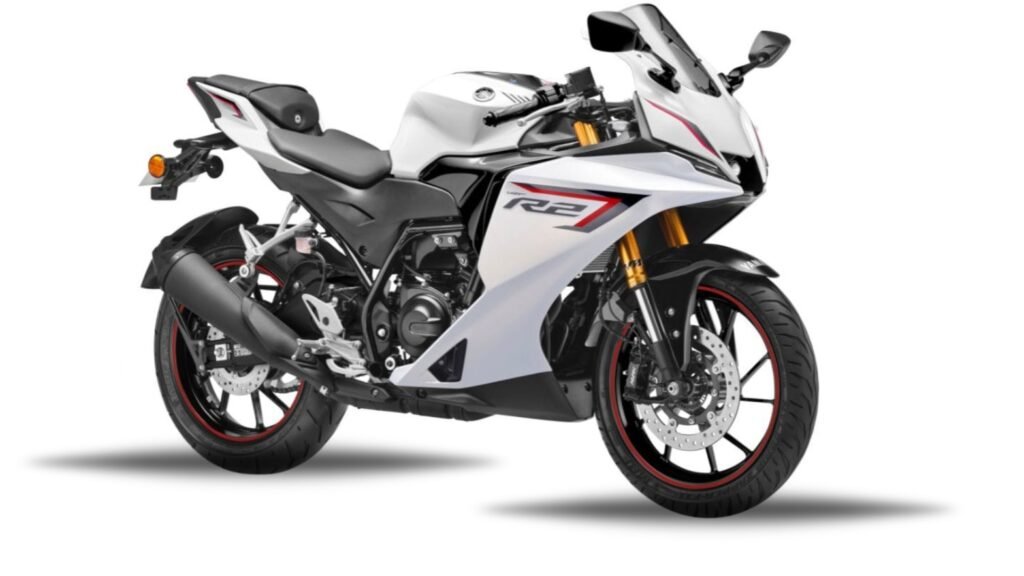
| R2 (with Quickshifter) | Rs 2,39,500 | Matte White Pearl, Racing Blue |
| R2 M | Rs 2,53,000 | Metallic Gray |
Each variant gets its own dedicated colour options — you can’t mix and match, so the colour you want will actually decide which spec level you end up buying. Worth keeping in mind if you had your heart set on, say, Racing Blue but were hoping to save money with the base variant — that combination simply isn’t offered.
What’s Actually New: The Engine
This is where Yamaha has put in real, genuine engineering work, not just a displacement bump. The R2 uses a completely new 204cc, single-cylinder, liquid-cooled engine — bigger than the R15’s familiar 155cc unit, but built quite differently under the surface.
Here’s the detail most coverage glossed over: the R15’s engine uses a SOHC (single overhead camshaft) layout with Yamaha’s clever VVA (Variable Valve Actuation) system, which helps it feel strong across a wide rev range. The R2 switches to a DOHC (dual overhead camshaft) setup instead — and interestingly, it does not get VVA. That’s a genuine trade-off: DOHC generally allows an engine to breathe better and rev harder at the top end, but losing VVA means the R2 relies on more traditional tuning to stay flexible lower in the rev range.
What is genuinely special, though, is that the R2’s valves are coated with DLC — diamond-like carbon — a friction-reducing coating you’d normally expect to see mentioned in the same breath as Yamaha’s flagship R1 superbike, not a bike costing Rs 2.3 lakh. It’s a small technical detail, but it says something about how seriously Yamaha has treated this engine internally. The whole unit also uses a semi-dry sump lubrication system and an electronically controlled throttle body, both of which support the bike’s three ride modes.
Power output landed at 26.1 bhp at 10,000rpm and 19.1 Nm at 8,000rpm, according to both BikeWale and Team-BHP. Autocar reported very slightly higher figures — 26.5 bhp and 19.3 Nm — likely a rounding difference rather than a real discrepancy. Either way, it’s enough to give the R2 a genuine edge over its two closest rivals, the KTM RC 200 and Hero Karizma XMR, on paper.
The Frame Story Nobody Else Explained Properly
Here’s something genuinely interesting that most coverage of this launch buried in a single sentence, if they mentioned it at all: the R2 doesn’t use the R15’s Deltabox frame. Instead, it gets a completely new diamond-type steel frame that weighs just 14kg.
Why does this matter to you as a buyer? Two reasons. First, it’s a big part of why the base R2 weighs a genuinely light 149kg — lighter than both the KTM RC 200 and the Hero Karizma XMR, and lighter than you’d probably expect from a bike with a bigger engine than the R15. Second, a lighter, stiffer frame generally means sharper, more confident handling, especially through fast direction changes — exactly the kind of thing that matters on a genuine sportbike, not just a spec-sheet bragging right.
The middle and top variants weigh marginally more, at 150kg, thanks to their extra hardware — but that’s still a genuinely competitive number for this class.
Design: How It Differs From the R15
Visually, the R2 is clearly part of the same family as the R15, but it’s not a simple reskin. It gets a sharper-looking headlight section with Yamaha’s signature projector layout, a muscular, more aggressive fuel tank, and a narrow tail section with a stepped seat — a design choice that visually separates rider and pillion space more clearly than the R15 does.
The riding position is properly committed: low-set handlebars and rear-set footpegs, exactly what you’d want if sharp cornering matters more to you than comfort. Hardware-wise, it rolls on 17-inch alloy wheels front and rear, with a USD (upside-down) front fork and a rear monoshock, and stops using disc brakes at both ends.
Which Variant Should You Actually Buy?
This is genuinely the question most people care about more than any spec sheet, so let’s break it down honestly, variant by variant.
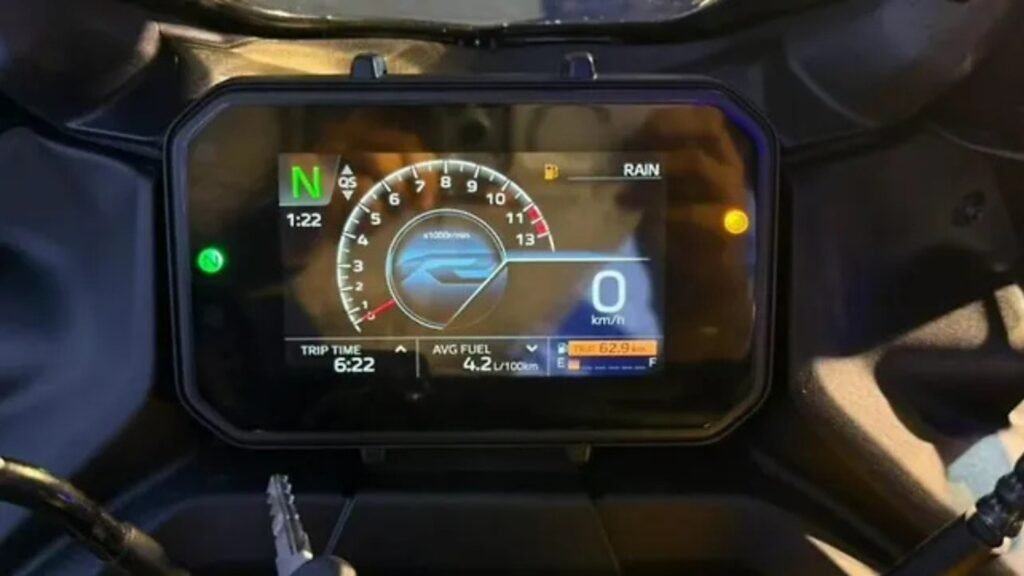
The base R2 (Rs 2,30,500) already comes surprisingly well-equipped — you get ride-by-wire throttle with three ride modes, an assist-and-slipper clutch, 37mm USD forks, dual-channel ABS, a 5-inch TFT dash, and traction control. If you just want a genuinely capable, modern sportbike without paying for extras you might not use, this is a completely sensible choice, not a stripped-down “poverty spec.”
The middle variant (Rs 2,39,500) adds a bi-directional quickshifter — which Yamaha says is a segment-first feature — along with body-coloured alloy wheels. In plain terms, a bi-directional quickshifter lets you shift gears up and down without touching the clutch lever, which genuinely makes quick, aggressive riding smoother and faster. If you plan to ride enthusiastically or even consider a track day down the line, this Rs 9,000 jump is genuinely worth it.
The R2 M (Rs 2,53,000) is for buyers who want the full package: preload-adjustable front and rear suspension, adjustable brake and clutch levers, a faux-suede seat, and a keyless ignition system. This is the variant for someone who wants to fine-tune the bike to their exact riding style and isn’t watching every rupee.
Yamaha R2 vs Yamaha R15: What Really Changed
Since the R15 continues to be sold right alongside the R2, a lot of buyers are going to genuinely struggle deciding between the two. Here’s a direct, honest comparison to help:
| Specification | Yamaha R15 (V4/M) | Yamaha R2 |
|---|---|---|
| Engine | 155cc, SOHC, with VVA | 204cc, DOHC, no VVA |
| Frame | Deltabox | Diamond-type steel, 14kg |
| Seat Height | 815 mm | 810 mm |
| Starting Price | ~Rs 1.75 lakh | Rs 2.30 lakh |
| Quickshifter | Optional on M variant | Optional on mid variant |
| Positioning | Entry-level sportbike | Steps above the R15, below the R3 |
The honest takeaway: the R2 isn’t meant to replace the R15 — it’s meant to give existing R15 owners, or buyers who find the R15 a bit small for their ambitions, a genuine next step without jumping straight to a much pricier, bigger bike. Yamaha keeping the R15 on sale alongside it confirms this is about expanding the family, not retiring anything.
On-Road Price by City
Since ex-showroom prices only tell part of the story, here’s what the base Yamaha R2 actually costs on-road across a few major Indian cities:
| City | On-Road Price (Base Variant) |
|---|---|
| Delhi | Rs 2,63,188 |
| Mumbai | Rs 2,70,103 |
| Pune | Rs 2,70,103 |
| Ahmedabad | Rs 2,58,578 |
| Kolkata | Rs 2,67,798 |
| Chandigarh | Rs 2,67,713 |
| Chennai | Rs 2,72,408 |
| Hyderabad | Rs 2,86,238 |
| Bangalore | Rs 2,86,738 |
These include RTO and insurance charges and can shift with local taxes and ongoing dealer offers — always confirm the exact current number with your nearest Yamaha Blue Square dealership.
How It Stacks Up Against Rivals
The R2 enters a genuinely competitive space, going up directly against the KTM RC 200 and the Hero Karizma XMR 210. On paper, the R2 has a real edge in outright power and, thanks to that new lightweight frame, a genuine weight advantage too — Autocar’s reporting specifically noted the R2 is now the lightest bike in its segment. Whether that translates into it being the better bike to actually own day to day will come down to things a spec sheet can’t tell you — dealer network reach (remember, it’s Blue Square-only), long-term reliability, and how the engine’s new DOHC-without-VVA character actually feels in real traffic versus the R15’s proven, flexible unit.
FAQs
1. What is the price of the Yamaha R2 in India?
It starts at Rs 2,30,500 (ex-showroom, Delhi) for the base variant, going up to Rs 2,39,500 for the version with a quickshifter, and Rs 2,53,000 for the top R2 M variant.
2. What engine does the Yamaha R2 use?
A new 204cc, liquid-cooled, single-cylinder engine with a DOHC layout, producing approximately 26.1-26.5 bhp and 19.1-19.3 Nm of torque, paired with a 6-speed gearbox.
3. Is the Yamaha R2 replacing the R15?
No. Yamaha is continuing to sell the R15 alongside the R2, MT-15, and XSR155. The R2 is positioned as a step above the R15, not a replacement for it.
4. What’s the difference between the three R2 variants?
The base variant covers the essentials with ride modes, ABS, and a TFT display. The middle variant adds a bi-directional quickshifter and coloured alloy wheels. The top R2 M variant adds adjustable suspension, adjustable levers, a keyless system, and a faux-suede seat.
5. How much does the Yamaha R2 weigh?
The base variant weighs 149kg, while the mid and top variants weigh 150kg — genuinely light for this segment, helped by a new 14kg diamond-type steel frame.
6. Where can I buy the Yamaha R2?
It’s sold exclusively through Yamaha’s Blue Square dealership network, not every standard Yamaha showroom, so it’s worth checking whether your local dealer is part of this network.
7. When will deliveries start?
Deliveries are set to begin in mid-September 2026. Pre-bookings, open since August 12 for a refundable Rs 10,000, remain active.
8. Which bikes will the Yamaha R2 compete with?
It’s set to rival the KTM RC 200 and the Hero Karizma XMR 210, and on paper, it has an edge in both power and kerb weight over both.
Conclusion
The Yamaha R2’s launch closes a genuinely long chapter of teasers and speculation, and honestly, it delivers more substance than a lot of “R15 but bigger” rumours suggested it would — a real new engine, a genuinely lighter frame borrowed in spirit from Yamaha’s superbike know-how, and a sensible three-variant spread that doesn’t force you to overpay for features you won’t use. If you’re deciding between the three variants, our honest read is this: the base bike is genuinely enough for most riders, the quickshifter variant is worth the extra Rs 9,000 if you ride enthusiastically, and the R2 M is for buyers who want to have it all and don’t mind paying for the privilege. Whichever you pick, this feels like a bike Yamaha built properly, not one it rushed out just to fill a gap on a spec sheet.
Read Also
2026 KTM 390 Adventure Launched in New Arctic Flare Colour: Check Price & Details
KTM 160 Duke Review: The Most Powerful Bike in Its Class? Here’s the Honest Truth
Bajaj’s Upcoming 250cc Adventure Bike Spied Again: TFT Display, Dual-Sport Tyres & More