Introduction
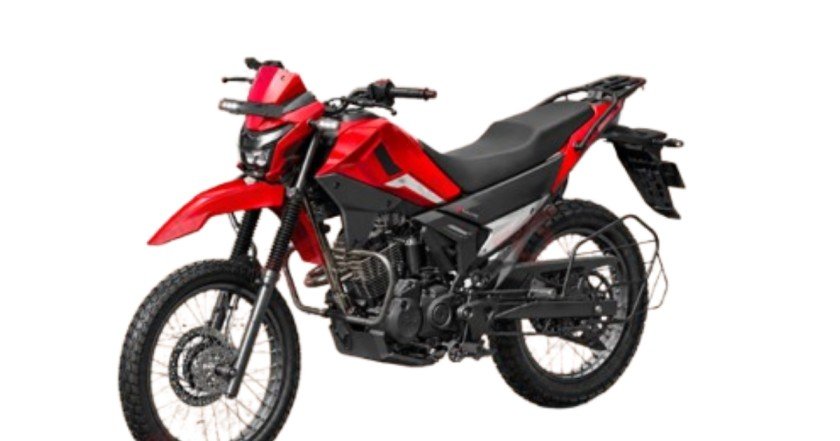
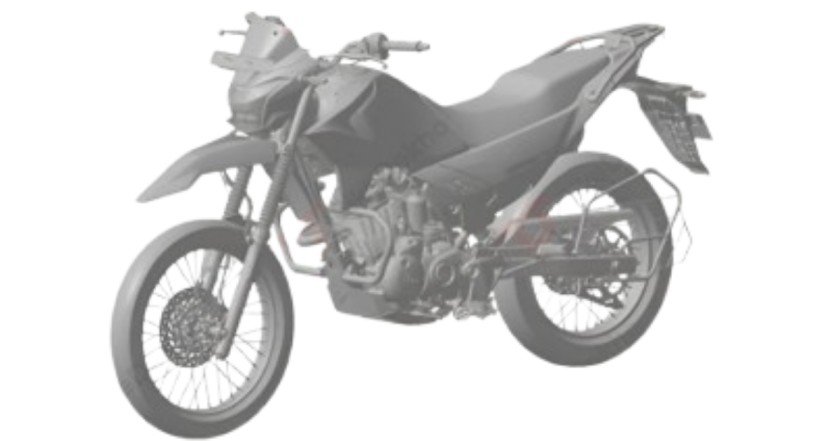
Hero MotoCorp has filed a new design patent in India, and it’s already got long-time fans talking about one thing: is the Impulse finally coming back? The patent shows a genuinely capable-looking dual-sport motorcycle, with styling that echoes Hero’s now-discontinued Impulse 150 — a bike that many riders still remember fondly despite it never quite finding commercial success.
But after checking this patent against coverage from six different sources, a more complete and slightly different picture emerges. This looks less like a straightforward nostalgic comeback for Indian buyers, and more like a practical, simple motorcycle likely built with export markets in mind. Here’s everything confirmed so far, laid out clearly.
Key Highlights
- Hero MotoCorp has filed a design patent in India for a new dual-sport adventure motorcycle.
- The engine appears to be air-cooled with no oil cooler, suggesting a displacement somewhere in the 150-200cc range.
- Patent images show a kickstarter, a fuel tap, and a choke knob — clear signs of a carburetted engine, not a fuel-injected one.
- It uses a 19-inch front and 17-inch rear spoked wheel setup, the same combination used on the original Hero Impulse.
- Suspension comes from a telescopic fork with gaiters up front and a monoshock at the rear, both offering long travel for off-road use.
- Design details include a sharp headlight cowl with LED indicators, tank shrouds, minimal side panels, and a rear luggage rack — pointing toward a bike built for both touring and light off-roading.
- It could be positioned below the Hero XPulse 200 4V in Hero’s line-up, though this hasn’t been officially confirmed.
- Separately, Hero is also developing a much bigger adventure bike, the XPulse 421, expected to debut at EICMA 2026 — a genuinely different, higher-end project from this patent.
What a Design Patent Actually Confirms
Before getting into the details, it’s worth being clear about what this patent filing does and doesn’t tell us. A design patent is a legal step Hero takes to protect a specific look from being copied — it’s genuine, solid evidence that this exact design exists and that Hero is working on it. What it doesn’t confirm is the bike’s actual engine size, its name, its price, or whether it will ever reach production at all.
Multiple outlets covering this story made the same point independently: manufacturers file patents fairly routinely, and not every one of them becomes a motorcycle you can actually buy. So while everything about this bike’s appearance comes from real, filed patent images, everything about its future is informed reading of those images — not a confirmed roadmap.
The Wheels and Suspension: A Genuine Dual-Sport Setup
Two independent sources checked separately confirm the same detail here: the patented motorcycle uses a 19-inch front wheel and a 17-inch rear wheel, both spoked. This exact wheel combination was also used on the original Hero Impulse, and it’s a classic setup for a bike meant to handle a genuine mix of paved roads and rougher trails.
Suspension duties come from a telescopic fork at the front, fitted with protective gaiters, paired with a rear monoshock — both appearing to offer substantial travel, which further reinforces the off-road-capable intent behind this design.
What the Patent Confirms — At a Glance
| Detail | What’s Shown |
|---|---|
| Front wheel | 19-inch, spoked |
| Rear wheel | 17-inch, spoked |
| Front suspension | Telescopic fork with gaiters |
| Rear suspension | Monoshock |
| Brakes | Disc, front and rear |
| Starting system | Kickstarter (electric start also possibly included) |
| Fuel system | Carburetted (fuel tap and choke knob visible) |
| Engine cooling | Air-cooled, no oil cooler visible |
| Estimated displacement | Roughly 150-200cc (unconfirmed) |
Read Also –
Harley-Davidson X440 Prices Hiked in India — Again
2026 Yamaha RayZR 125 Launched in India with New Features
Carburetted Engine: Why That Detail Matters
One of the more telling clues in the patent drawings is what the engine setup suggests. The images show a kickstarter, a fuel tap positioned on the left side of the engine, and a choke knob on the left handlebar — all classic signs of a carburetted engine, rather than the fuel-injected systems now standard on almost every new motorcycle sold in India.
This isn’t a step backward so much as a deliberate choice. Carburetted engines are simpler and cheaper to build and repair, and they don’t require the tighter emissions compliance that fuel injection is usually paired with. Multiple sources noted this points toward a motorcycle built for markets with less strict emission rules than India currently has — reinforcing the idea that this may not be intended for Indian showrooms at all.
Design: Impulse Memories, Modern Touches
Visually, it’s easy to see why the Impulse comparisons keep coming up — the overall stance, tank shrouds, and general silhouette genuinely echo Hero’s old dual-sport model. But look closer, and this isn’t a pure, unchanged Impulse revival. The patent shows a sharp-looking headlight cowl with LED indicators — a clearly modern touch the original Impulse never had — along with fairly minimal side panels and a sizable rear luggage rack, which points to a motorcycle designed with genuine touring practicality in mind, not just off-road looks.
Some sources also noted design similarities to Hero’s current XPulse range in a few areas, suggesting Hero’s design team may be blending nostalgic Impulse styling with newer visual language already used elsewhere in the brand’s line-up.
Where It Might Sit in Hero’s Line-Up
Here’s where the sources broadly agree, while being careful to flag it as informed guesswork rather than fact: this new motorcycle could be positioned below the Hero XPulse 200 4V, Hero’s current entry-level adventure bike in India. Its smaller, simpler, air-cooled engine and more basic carburetted setup would represent a step down from the XPulse 200 4V’s existing hardware, which fits with the idea of it being a more affordable, accessible dual-sport option — most likely for markets outside India where the XPulse 200 4V either isn’t sold or isn’t priced competitively enough.
One source also raised the possibility that it could borrow components from Hero’s existing 160cc platform, though this remains unconfirmed and should be treated as speculation for now.
Is This the Same as the Hero XPulse 421?
It’s worth clearing up a possible point of confusion here. Hero is separately working on a much bigger adventure motorcycle, the XPulse 421, which is expected to debut at EICMA 2026 — this would become Hero’s biggest, most powerful adventure bike to date, using a liquid-cooled engine.
This is a completely different project from the patent discussed in this article. The XPulse 421 sits at the premium, high-performance end of Hero’s adventure range, while the newly patented dual-sport motorcycle appears to be a smaller, simpler, more affordable design at the opposite end of the spectrum. If you see both mentioned together in Hero news roundups, it’s worth remembering they’re two separate motorcycles, not two versions of the same bike.
Why an India Launch Is Uncertain
Putting all the confirmed clues together, most sources land on a similar, cautious conclusion: an India launch for this specific motorcycle looks unlikely, at least in the near term. A few reasons support this:
- The carburetted, air-cooled engine setup would be a genuine step down in technology from what Hero currently sells in India, including the XPulse 200 4V.
- Hero already has the XPulse 200 4V covering the entry-level adventure motorcycle space domestically.
- Hero has a significant, established export presence in markets like South America and Africa, where simpler, carburetted, easy-to-repair motorcycles remain in real demand.
None of this rules out an India launch entirely — but the balance of evidence across multiple independent outlets points toward an export-focused motorcycle rather than a domestic Impulse revival.
Setting the Record Straight on the Impulse’s History
While researching this story, we came across one source that got a key fact wrong — claiming the original Hero Impulse was discontinued in “2027,” which is impossible, since that year hasn’t happened yet. For accuracy, here’s the real, verified timeline: the Hero Impulse was produced from 2011 to 2017, with sales actually slowing and effectively stopping around 2014 due to weak demand, before the model was formally discontinued a few years later. It was eventually replaced by the Hero XPulse 200 in 2019, which used a larger, more powerful engine and became a genuine sales success where the Impulse had struggled.
FAQs
1. Is Hero MotoCorp bringing back the Impulse in India?
It’s uncertain. While the design strongly resembles the discontinued Hero Impulse, several details — particularly the simple, carburetted engine setup — suggest this motorcycle may be intended for export markets rather than a direct India revival.
2. What engine does the newly patented Hero motorcycle use?
This hasn’t been officially confirmed. Based on the patent images, it appears to use an air-cooled engine without an oil cooler, suggesting a displacement somewhere between 150cc and 200cc.
3. Will this new Hero dual-sport bike launch in India?
It looks uncertain at best. Multiple sources suggest it’s more likely aimed at export markets, given its simpler hardware compared to Hero’s existing India-spec XPulse 200 4V.
4. What wheel size does the patented motorcycle use?
It appears to use a 19-inch front wheel and a 17-inch rear wheel, both spoked — the same combination used on the original Hero Impulse.
5. Is this the same motorcycle as the upcoming Hero XPulse 421?
No. The XPulse 421 is a separate, much bigger and more powerful adventure motorcycle expected to debut at EICMA 2026. This patent describes a smaller, simpler, and more affordable motorcycle.
6. When was the original Hero Impulse discontinued?
The Hero Impulse was produced from 2011 to 2017. Sales slowed significantly around 2014 due to weak demand, and it was eventually replaced by the Hero XPulse 200 in 2019.
7. Does filing a design patent confirm the motorcycle will go into production?
No. A design patent legally protects a specific design, but it doesn’t guarantee the motorcycle will reach production, and it doesn’t confirm technical specifications, pricing, or a launch date.
8. What braking and suspension setup does the patented motorcycle have?
It appears to use a telescopic fork with gaiters at the front, a monoshock at the rear, and disc brakes on both wheels.
Conclusion
Hero MotoCorp’s new patent filing gives us a genuinely detailed look at a motorcycle’s design and hardware, cross-confirmed by wheel sizes, suspension details, and engine clues across six independent sources. But the full picture points toward a practical, cost-focused dual-sport motorcycle likely built for export markets, rather than a sentimental Impulse comeback for Indian showrooms. It’s also worth keeping this project separate in your mind from Hero’s much bigger, India-bound XPulse 421, which is a completely different motorcycle aimed at a very different kind of rider. As always with patent filings, nothing here is guaranteed until Hero makes an official statement — so treat this as a genuinely interesting glimpse into Hero’s thinking, not a confirmed upcoming launch.